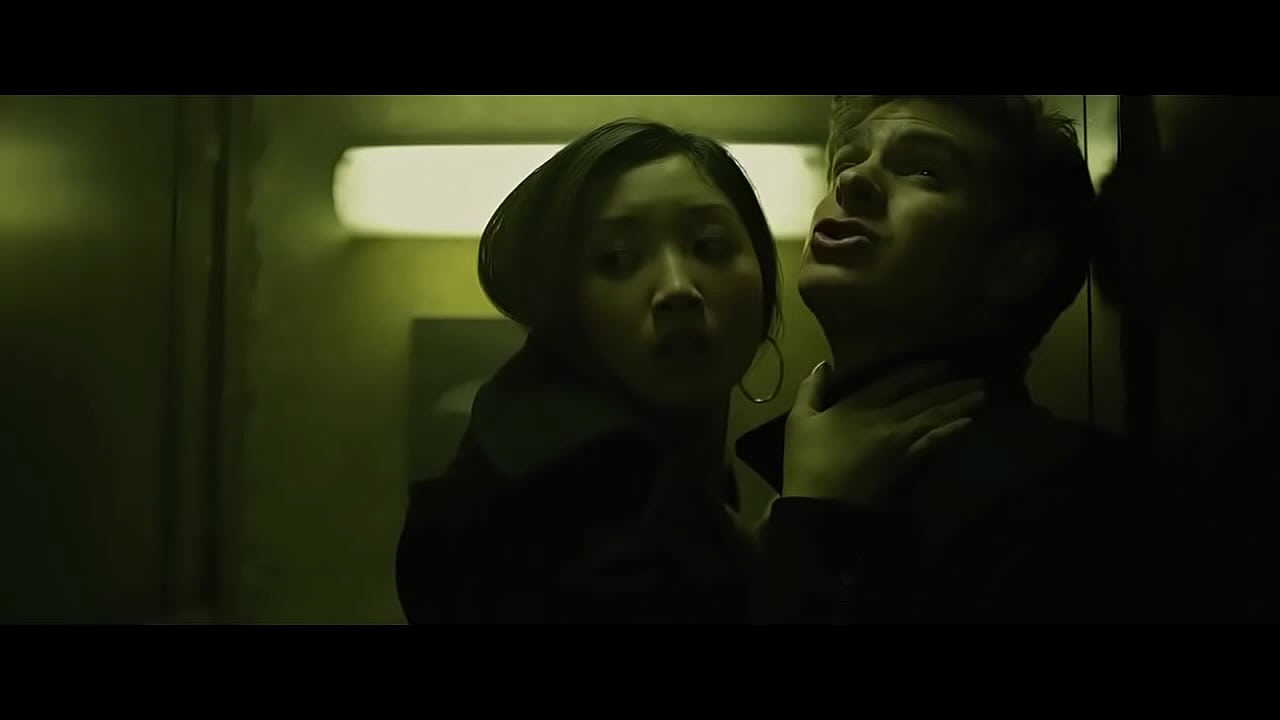
Released in 2013 and directed by Abdellatif Kechiche, “Blue Is the Warmest Color” is a sprawling exploration of life, love, and self-discovery. The film, adapted from the graphic novel by Julie Maroh, garnered critical acclaim and won the Palme d’Or at the Cannes Film Festival. Centered around the complex relationship between two young women, it offers viewers a raw, unfiltered look into the intricacies of love, sexuality, and identity.
The story follows Adèle, played by Adèle Exarchopoulos, a French teenager navigating her way through high school life. Her journey of self-discovery begins when she unexpectedly falls for Emma, an art student with blue hair, played by Léa Seydoux. Adèle’s life unravels in the throes of first love as she and Emma embark on a passionate and tumultuous relationship.
From the outset, the film captivates audiences with its authentic and relatable depiction of youth and self-identity. Adèle’s journey is portrayed with an unwavering honesty that brings her inner conflicts to the forefront. Her character is layered and multifaceted, reflecting the confusion and exhilaration of discovering one’s sexual orientation amidst societal and personal expectations. Exarchopoulos delivers a spellbinding performance, bringing both vulnerability and strength to her character.
Emma, on the other hand, is portrayed as confident and self-assured, providing a striking contrast to Adèle’s inexperience and insecurity. Léa Seydoux’s portrayal of Emma gives depth to a character that embodies freedom and the courage to be oneself, making her an essential catalyst in Adèle’s journey. Their chemistry is undeniable and forms the emotional crux of the film, weaving a tapestry of love and heartbreak that resonates deeply.
Visually, “Blue Is the Warmest Color” employs close-ups and long sequences to emphasize the emotional intensity of the narrative. The decision to use natural lighting and minimalistic settings augments the film’s realistic tone, drawing audiences into the characters’ world. Kechiche’s direction is precise, allowing the story to unfold organically while maintaining a grip on the viewer’s attention. The film’s title itself is a visual motif, with the color blue appearing in subtle yet significant ways throughout the narrative, symbolizing both love and melancholy.
Kechiche is unflinching in his approach to storytelling, and this extends to the film’s love scenes, which have been a source of both acclaim and controversy. These scenes are explicit and raw, depicting the physical and emotional connection between Adèle and Emma in unfiltered detail. While some critics argue that these scenes border on voyeuristic, others praise them for their honesty and for breaking boundaries in the portrayal of lesbian relationships on screen.
Beyond the love story, “Blue Is the Warmest Color” delves into the themes of personal growth, societal norms, and the fluidity of identity. It explores the pressures young people face in conforming to societal expectations and the courage required to resist them. The film captures the bittersweet nature of personal evolution, highlighting how love can be both a source of joy and pain, shaping who we are and who we become.
Despite its numerous accolades, the film is not without its criticisms. Some viewers and the original graphic novel’s author have argued that the male director’s perspective may not fully capture the authenticity of a lesbian relationship. Additionally, the film’s extensive runtime—spanning over three hours—has been critiqued for contributing to a sense of overindulgence, though others find the pacing an essential part of its immersive experience.
In conclusion, “Blue Is the Warmest Color” stands as a compelling and poignant exploration of love, identity, and the human condition. Its impact lies not just in its candid portrayal of a lesbian relationship but also in its universal themes that speak to the heart of anyone who has experienced the confusion and fervor of first love. Kechiche’s work is a testament to the power of film to provoke thought, spark conversation, and evoke emotion, making it a significant cinematic piece of the 21st century.